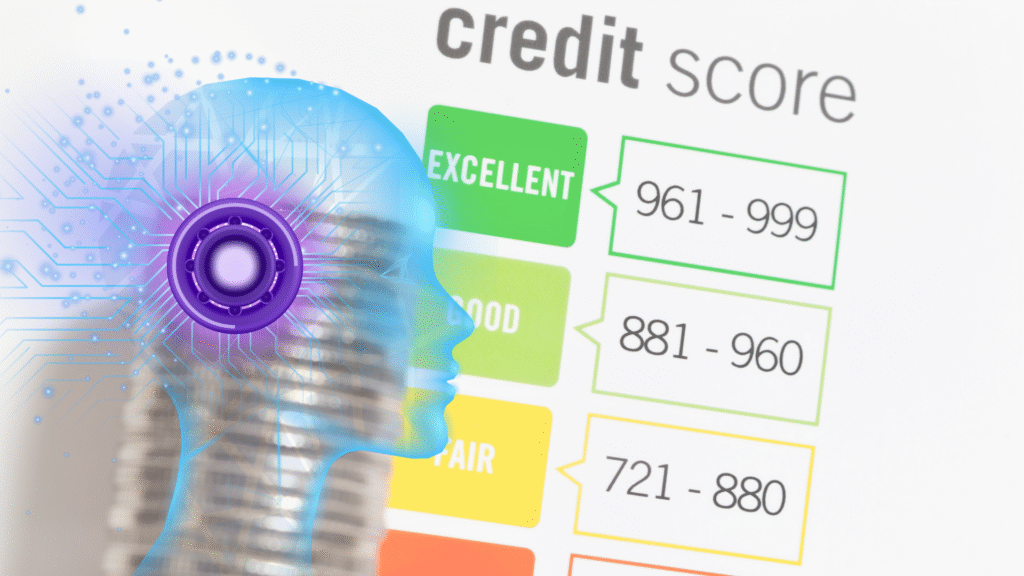
When you think about the challenges faced by Micro, Small, and Medium Enterprises (MSMEs), access to finance almost always tops the list. Despite their contribution to GDP, employment, and innovation, MSMEs often struggle to secure credit from banks and financial institutions. Traditional credit scoring methods, built on rigid financial documents and historical repayment records, tend to favor larger, well-established firms.
But the game is changing. Artificial Intelligence (AI) is rewriting the rules of credit evaluation, offering a more inclusive, faster, and sharper way to assess MSME creditworthiness. Let’s dive into how AI is transforming MSME credit scoring, why it matters, and what the road ahead looks like.
Why Traditional Credit Scoring Falls Short for MSMEs
MSMEs, especially first-generation or early-stage businesses, often face unique hurdles:
- Limited collateral: Banks prefer security, but small businesses rarely have big assets to pledge.
- Thin credit files: Many MSMEs lack long credit histories, audited financials, or reliable tax returns.
- Seasonal cash flows: Income cycles in agriculture, retail, or manufacturing often don’t fit neatly into traditional ratios.
- Informal record-keeping: Many small businesses still operate with partial digitization, making it hard to present complete financial data.
As a result, promising businesses may be rejected or offered credit at higher costs. This is where AI-driven credit scoring steps in.
How AI is Transforming MSME Credit Scoring
1. Alternative Data Utilization
AI expands the definition of “creditworthiness.” Instead of only looking at past loans and balance sheets, it analyzes:
- Transaction patterns (bank statements, UPI usage, POS sales)
- GST filings and digital tax trails
- Utility payments (electricity, phone bills)
- E-commerce ratings and supplier reviews
- Even behavioral data such as mobile usage or social signals
This alternative data helps lenders assess businesses with little or no formal credit history.
2. Real-Time Risk Assessment
Unlike traditional scoring models that rely on static annual or quarterly data, AI models can continuously monitor cash flow, inventory, and transaction health. This gives lenders a real-time picture of repayment capacity, making credit more dynamic and adaptive.
3. Faster Credit Decisions
AI-powered platforms can process thousands of data points in seconds. For MSMEs, this means:
- Instant loan approvals (instead of waiting weeks for file movement)
- Digital onboarding with minimum paperwork
- Customized credit limits based on updated business activity
This speed is particularly valuable for MSMEs that need working capital during peak seasons.
4. Reduced Human Bias
Human judgment often introduces subjectivity. AI models, when designed ethically, can reduce bias by focusing on actual data patterns rather than manual perceptions about sector, geography, or size of business.
5. Early Warning Systems
AI doesn’t just approve loans it also predicts risks. By tracking early signs such as falling sales, delayed vendor payments, or negative customer reviews, AI tools can flag potential stress before it turns into default. This proactive approach protects both lenders and borrowers.
Examples: AI in Action
- IndiaStack + GST Data: Startups like Cashinvoice and Indifi use GST filings and invoice data to generate credit scores for MSMEs that were previously “invisible” to banks.
- UPI Transactions: Payment data from UPI or Paytm is increasingly used to gauge financial discipline.
- Global Models: In Africa and Southeast Asia, fintech lenders are already using mobile money records and SMS patterns to approve micro-loans in under 10 minutes.
The Benefits for MSMEs
- Greater Financial Inclusion – New-to-credit businesses finally get access to formal finance.
- Customized Credit Products – AI allows tailoring loan terms to industry cycles (e.g., seasonal repayments for agri-businesses).
- Lower Borrowing Costs – As risks are more accurately measured, good MSMEs can access loans at fairer interest rates.
- Faster Growth – Quick access to working capital ensures entrepreneurs don’t miss out on business opportunities.
Challenges and Risks
While AI is powerful, it isn’t flawless. Key concerns include:
- Data Privacy: Small businesses may worry about how their data is collected and used.
- Algorithmic Bias: If AI models are trained on skewed data, they may replicate systemic discrimination.
- Digital Divide: Not all MSMEs are equally digitized, which can exclude some from AI-driven systems.
- Regulatory Oversight: Credit decisions must remain transparent, explainable, and fair.
The Road Ahead: Human & AI Collaboration
The future isn’t about AI replacing bankers, it’s about AI augmenting human judgments. Imagine:
- AI crunches massive datasets to suggest creditworthiness.
- Bankers apply their sectoral expertise, relationship knowledge, and intuition.
- Together, they create a balanced credit decision that is both data-driven and empathetic.
Governments, regulators, and lenders/bankers must also ensure responsible AI adoption with strong guidelines on transparency, grievance redressal, and fair lending practices.
Final Thoughts
AI is not just a technological upgrade, it’s a financial revolution for MSMEs. By unlocking the credit potential of small businesses, AI can fuel entrepreneurship, create jobs, and strengthen economies. For MSMEs, this means no longer being judged solely by the size of their collateral or the length of their credit file. Instead, they can be assessed for what truly matters: their business potential, discipline, and future growth.
The question is no longer “Can AI transform MSME credit scoring?”
It already is. The real question is: “Are we ready to embrace it responsibly?”